The Enduring Allure of Chicken Cordon Bleu: A Culinary Journey
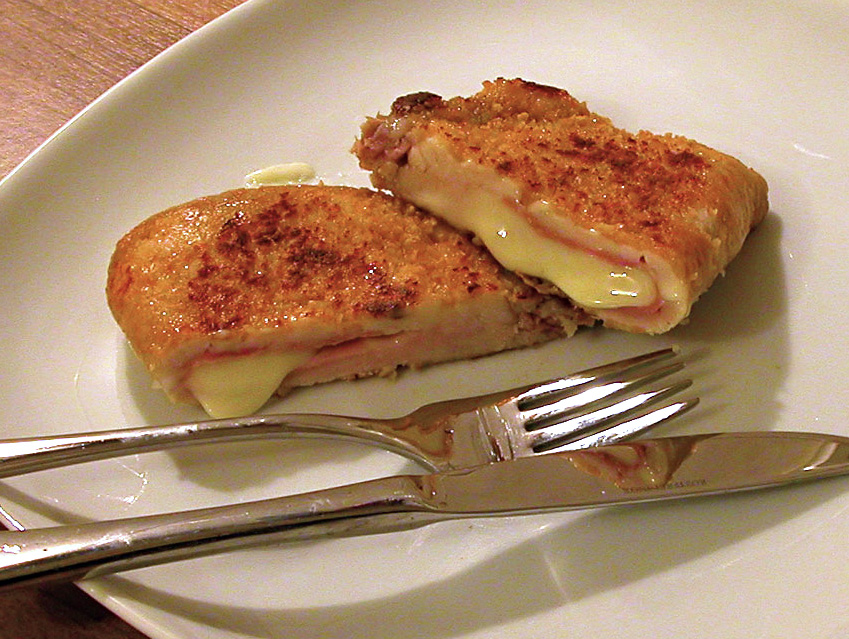
Few dishes command attention quite like chicken cordon bleu. Its name alone conjures images of white-tablecloth restaurants and gourmet dining experiences. Yet, beneath its sophisticated facade lies a surprisingly accessible dish that can be perfected in any home kitchen. A tantalizing symphony of tender chicken, savory ham, and gooey Swiss cheese, all encased in a crispy breading and often crowned with a luxurious cream sauce, it's no wonder this classic has captivated palates for generations.
Whether you're planning an impressive dinner party or simply seeking to elevate a weeknight meal, mastering the art of chicken cordon bleu offers immense culinary satisfaction. But before we dive into perfecting this iconic entrée, let's peel back the layers of its fascinating history to understand the prestige behind its name.
Tracing the Elegant Roots: The History Behind "Cordon Bleu"
The term "Cordon Bleu" itself carries a rich historical weight, signifying a level of excellence that predates its association with a specific dish. According to the esteemed French food encyclopedia, Larousse Gastronomique, the phrase translates directly to "blue ribbon." Its origins date back to medieval times, specifically to the year 1578 in France, when King Henry III established the most prestigious order of knighthood: The Order of the Holy Spirit.
Knights who earned this supreme honor wore a medal suspended from a striking blue ribbon, which became known as Le Cordon Bleu. Over centuries, this distinctive blue ribbon evolved into a universal symbol of the highest achievement and distinction, extending far beyond chivalry. Eventually, the term naturally found its way into the culinary world, becoming associated with food prepared to the most exacting standards, or by the most prestigious chefs. While the exact moment the specific dish we know as chicken cordon bleu was created remains somewhat debated, its name unequivocally signifies a meal designed for culinary greatness.
At its heart, a "cordon bleu" dish traditionally involves meat wrapped around cheese, subsequently breaded and then pan-fried or deep-fried. The rendition featuring chicken, ham, and Swiss cheese solidified its place as a beloved classic, embodying the very excellence its name implies.
Deconstructing the Classic: What Makes a Perfect Chicken Cordon Bleu?
The magic of chicken cordon bleu lies in the harmonious interplay of its core components, each contributing to a symphony of flavors and textures:
- The Chicken: Thinly pounded chicken cutlets are the canvas. Choosing the largest chicken breasts available allows for easier rolling and a more substantial final product. Pounding them to an even thickness ensures uniform cooking and a tender, juicy interior.
- The Filling: Slices of cooked ham (often thinly shaved deli ham) provide a salty, savory counterpoint. Swiss cheese, renowned for its meltability and nutty flavor, creates that irresistible gooey core.
- The Breading: A crucial element, the breading provides the signature crispy exterior. Typically, the rolled chicken is dipped in egg wash and then coated generously in seasoned breadcrumbs, which adhere beautifully during cooking.
- The Cooking Method: While traditionally pan-fried or deep-fried for maximum crispness, many modern recipes, valuing convenience and a lighter approach, opt for baking. Baking still yields a golden-brown, satisfying crunch.
- The Sauce: Often considered the crowning glory, a rich, creamy sauce elevates the dish from excellent to extraordinary. A classic rendition features a decadent cream sauce frequently spiked with a hint of Dijon mustard, offering a delightful tangy zest that cuts through the richness, sometimes enhanced with Parmesan cheese for an extra layer of umami.
The ideal chicken cordon bleu strikes a perfect balance: a golden, crunchy crust giving way to succulent, juicy chicken, a savory layer of ham, and a molten pocket of cheese, all complemented by a vibrant sauce.
Mastering the Art at Home: Tips for Perfect Chicken Cordon Bleu
Achieving restaurant-quality chicken cordon bleu in your own kitchen is entirely within reach with a few key techniques and considerations. It's an impressive dish that is surprisingly simpler than many might imagine.
1. Perfecting the Chicken Prep
- Pounding for Perfection: Place chicken breasts between two sheets of plastic wrap. Using a meat mallet or the flat side of a heavy pan, pound them evenly to about 1/4 to 1/2 inch thick. This ensures even cooking and makes them pliable enough to roll without tearing.
- Choosing the Right Cheese & Ham: Opt for good quality, thinly sliced ham and a Swiss cheese like Gruyère or Emmentaler, which melt beautifully without becoming greasy.
- The Art of Rolling: Lay the pounded chicken flat. Layer a slice of ham, then a slice of Swiss cheese, leaving a small border around the edges. Carefully roll the chicken tightly from one end, tucking in the sides as you go to prevent cheese leakage. Secure with toothpicks if necessary.
2. Achieving the Ultimate Crisp
- Season Your Breading: Don't just use plain breadcrumbs! Mix them with salt, pepper, garlic powder, onion powder, and a pinch of paprika for extra flavor.
- The Breading Station: Set up a classic dredging station: flour (seasoned), beaten eggs, and seasoned breadcrumbs. Double-dredging (flour, egg, breadcrumbs, then egg again, then breadcrumbs again) can create an even crispier crust.
- Baking for Convenience: Many home cooks prefer baking their chicken cordon bleu. Bake at around 350°F (175°C) until golden brown and cooked through, typically 25-35 minutes depending on thickness. This method offers a delicious result with less mess than frying.
3. Crafting the Complementary Sauce
A simple yet decadent cream sauce is easy to make. Start with a roux (butter and flour), gradually whisk in milk or cream, then stir in a generous teaspoon of Dijon mustard and a handful of grated Parmesan cheese. Season with salt and pepper to taste. The Dijon adds a crucial tangy note that brightens the entire dish.
For a detailed, step-by-step guide to bringing this gourmet meal to life in your kitchen, explore our article on Make Gourmet Chicken Cordon Bleu at Home: Easy Recipe.
Beyond the Traditional: Creative Variations and Make-Ahead Strategies
While the classic chicken cordon bleu is undeniably delicious, its versatility allows for exciting variations and smart make-ahead strategies, perfect for both special occasions and busy weeknights.
Slow Cooker Magic
For those craving the classic flavors without the hands-on rolling and breading, the slow cooker offers a fantastic solution. This innovative approach layers the chicken, ham, and Swiss cheese directly into the crockpot, bathed in a rich, creamy sauce. A topping of seasoned stuffing often replaces the traditional breading, cooking alongside the chicken to provide a comforting texture. This method allows you to enjoy the savory goodness of chicken cordon bleu with minimal effort, making it ideal for busy days when you want dinner ready when you are. Discover the ease of this method in our Slow Cooker Chicken Cordon Bleu: Weeknight Comfort Classic guide.
Ingredient Swaps and Enhancements
Don't be afraid to experiment to suit your preferences:
- Cheese: Try provolone, fontina, or even a smoked cheddar for different flavor profiles.
- Ham: Prosciutto offers a more gourmet, saltier kick. Smoked turkey can also be a delightful alternative.
- Seasonings: Add fresh herbs like thyme or rosemary to your breadcrumbs or even tucked inside the roll. A pinch of nutmeg in the cream sauce can also be wonderful.
Making Ahead and Storing Leftovers
Chicken cordon bleu is excellent for meal prepping or handling leftovers:
- Refrigerating Leftovers: Store any cooled leftovers in an airtight container in the refrigerator for three to four days.
- Reheating: To maintain that desirable crispy crust and avoid sogginess, always reheat chicken cordon bleu in the oven. About 10 minutes at 350°F (175°C) should be sufficient to warm it through without drying it out. The microwave will soften the breading.
- Freezing for Later: This dish freezes beautifully! Once your cooked rolls have completely cooled, arrange them on a lined baking sheet, cover, and freeze for about two hours until solid. Transfer the frozen rolls to an airtight freezer bag, labeled with the date. They can be frozen for up to four months.
- Thawing & Baking Frozen: To prepare frozen chicken cordon bleu, simply transfer the container to the refrigerator the night before you plan to serve. Bake the thawed rolls for approximately 10 minutes at 350°F (175°C) to reheat and crisp them up.
Conclusion
From its noble origins rooted in medieval chivalry to its modern-day status as a beloved culinary classic, chicken cordon bleu truly lives up to its prestigious name. Whether you opt for the classic baked rendition with its crispy crust and gooey interior, or embrace the convenience of a slow-cooker variation, this dish offers a delightful blend of sophisticated flavors and comforting textures. With a little practice and the tips outlined here, you can confidently bring this blue-ribbon entree to your own table, proving that gourmet dining is always within reach for the passionate home cook.
